
Dr. Hyunso “Hanna” Park is a board-certified pediatric dentist who loves helping children feel comfortable and confident during dental visits. She earned her B.A. from the University of California, Berkeley, her D.M.D. from the Medical College of Georgia, and completed her Pediatric Dentistry Residency at Montefiore Medical Center.
Dr. Hanna has advanced training in preventive care, restorative dentistry, behavior guidance, sedation dentistry, dental trauma, special needs care, and pediatric dental treatment under general anesthesia. She is passionate about caring for children of all ages, from infants to teens, with a warm and friendly approach.
Did you know…
The ideal time for palatal expansion is during childhood while the jaw is still developing. Treating jaw alignment early can reduce the need for tooth extractions or extensive orthodontic work in the teenage years.
At Memorial Children’s Dentistry, we focus on prevention, comfort, and long-term smile protection for children. Our board-certified pediatric dentists carefully check your child’s teeth and recommend dental sealants when they can help protect cavity-prone molars.
We make the sealant process simple, quick, and kid-friendly. With no shots or drilling needed, dental sealants are an easy way to give your child’s back teeth extra protection against cavities.
A narrow upper jaw can cause a crossbite, where the upper teeth sit inside the lower teeth instead of outside. This misalignment can lead to uneven tooth wear, jaw strain, and long-term bite problems. Expanding the palate repositions the upper jaw correctly, improving bite function and protecting your child’s teeth from unnecessary stress and damage.
During childhood, the jawbones are still developing and respond well to gentle orthopedic guidance. Palatal expanders help promote balanced facial growth by encouraging proper jaw width and alignment. Early correction supports symmetrical facial development and contributes to a healthier overall oral structure as your child matures.
Palatal expanders gently widen the upper jaw, creating the necessary space for permanent teeth to erupt in proper alignment. When there is not enough room in the mouth, teeth can become crowded, overlap, or grow in at improper angles. Early expansion helps guide natural tooth eruption, often reducing the need for extractions or more complex orthodontic treatment later in life.
The process begins with a thorough evaluation of your child’s jaw development, bite alignment, and overall oral health. Dr. Hanna carefully examines the width of the upper jaw, checks for crossbites, crowding, or early orthodontic concerns, and may use digital imaging to assess bone structure and tooth positioning. This detailed assessment allows us to determine whether a palatal expander is the right solution and the ideal timing for treatment while your child’s jaw is still developing.
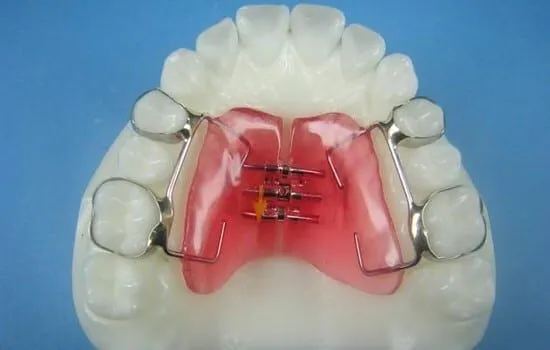
If expansion is recommended, a custom-made palatal expander is fabricated specifically for your child’s mouth. During the placement appointment, the appliance is securely attached to the upper molars to ensure stability and comfort. Our team explains the appliance in a child-friendly way so your child feels confident and relaxed. Parents receive clear instructions on how the expander works and what to expect during the adjustment period.
Expansion occurs gradually. Parents are shown how to gently activate the appliance at home using a small key, typically once per day. Each adjustment widens the upper jaw slightly, allowing new bone to form naturally. Regular follow-up visits at Memorial Children’s Dentistry ensure the process is progressing properly and comfortably. Once the desired width is achieved, the expander remains in place for a stabilization period to maintain results and support long-term success.

“I love this place! It’s always so neat and clean. The decoration is beautiful. The staff is simply awesome and Dr. Matt and the entire team are so sweet and kind with the kids. The whole experience was great and so professional. 100% recommended!"
“I love this place! It’s always so neat and clean. The decoration is beautiful. The staff is simply awesome and Dr. Matt and the entire team are so sweet and kind with the kids. The whole experience was great and so professional. 100% recommended!"
“I love this place! It’s always so neat and clean. The decoration is beautiful. The staff is simply awesome and Dr. Matt and the entire team are so sweet and kind with the kids. The whole experience was great and so professional. 100% recommended!"
While an expander may not always eliminate the need for braces, it can significantly reduce treatment complexity. By creating proper jaw width and space for permanent teeth, expanders often shorten future orthodontic treatment time and may reduce the need for extractions.
Some children may experience minor speech changes or increased saliva during the first few days. This is temporary and improves as they adjust to the appliance. Soft foods are recommended initially, but most children return to normal eating habits shortly after placement.
The active expansion phase typically lasts a few weeks, depending on the amount of widening needed. After reaching the desired width, the expander remains in place for several months to stabilize the jaw and allow new bone to form properly. The total treatment time varies based on your child’s individual needs.
Children may feel mild pressure or tightness for a few days after the appliance is placed or adjusted. This sensation is usually temporary and manageable. Most children adapt quickly and continue their normal activities without difficulty. Our team provides guidance to ensure your child remains comfortable throughout treatment.
Most children who benefit from a palatal expander are between 6 and 10 years old, while the upper jaw is still growing and more responsive to treatment. Early orthodontic evaluation allows Dr. Hanna to determine the ideal timing. Treating jaw development during childhood often prevents more complex orthodontic problems during the teenage years.
Memorial Children’s Dentistry is located at 14529 Memorial Dr Suite C, Houston, TX 77079, making it easy for families in Memorial Houston and nearby communities to visit us for preventive pediatric dental care.
Our office is easily accessible from I-10 and Westpark Tollway, helping parents schedule quick and comfortable dental sealant appointments without a long drive.

.avif)
.avif)
.avif)

.svg)

